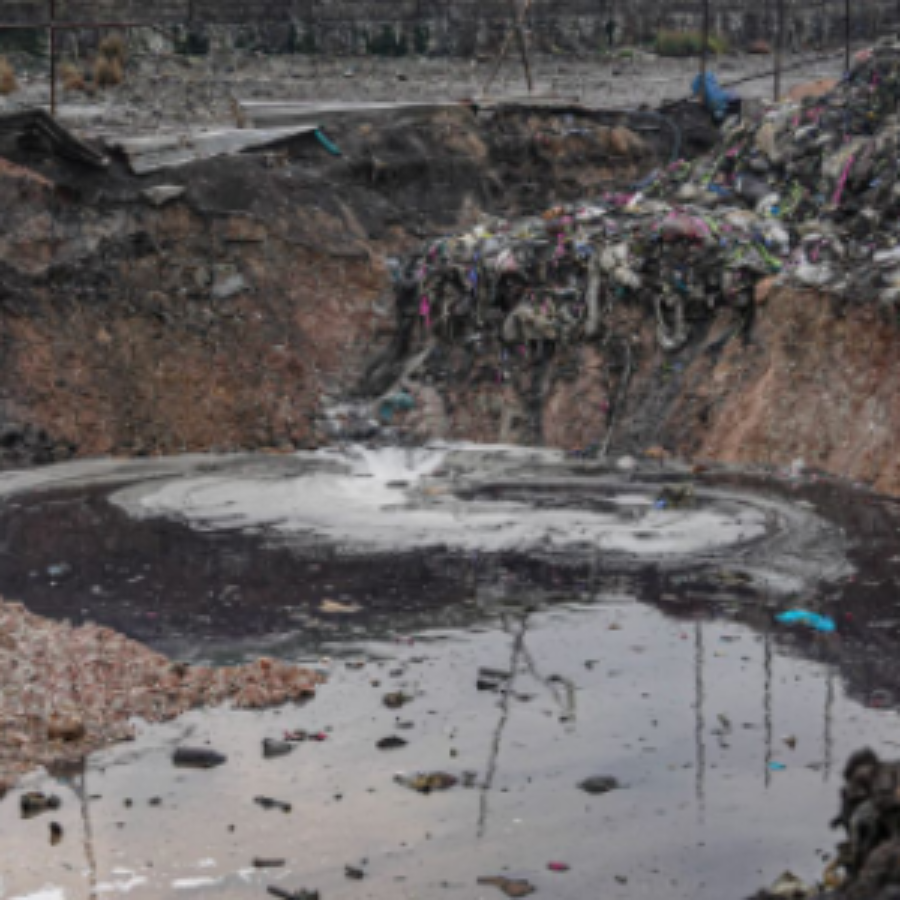
The world and the Earth we inhabit are facing increasingly pressing challenges. The alarming rise in global temperatures, exacerbated by relentless exploitation of natural resources, looms large over our future (see IPCC, 2021). Despite ongoing discussions and commitments made at various forums, tangible actions remain elusive. Each meeting yields promises, yet the outcomes continue to fall short of expectations. Our planet is heating up, and exploitation persists, driven by a classical economic framework that upholds capitalist values—values that prioritize economic growth for a privileged few, often at the expense of the environment and society.
In this context, the competitive nature of capitalism, which fosters technological innovation, paradoxically emphasizes the exploitation of nature and efficiency in a race to meet market demands. It is no surprise that many innovations tend to create more harm than good, prioritizing immediate gains over sustainable benefits for humanity and the environment. Moreover, the disruptive impact of
technology has reshaped democracy by democratizing information access and enabling new forms of political engagement, while also facilitating the spread of misinformation and creating echo chambers that deepen societal divides. Populist leaders leverage social media to communicate directly with supporters, often amplifying grievances and economic discontent. We witness the emergence
of populist leaders who engage in transactional politics, further disempowering the populace while consolidating their authority. Their increased surveillance capabilities pose threats to democratic freedoms. This authoritarian approach often protects exploitative business practices, perpetuating a cycle of inequality and environmental degradation.
Just as technology presents both opportunities and challenges, the education sector embodies a similar duality. While education has long been viewed as a beacon of hope for solving various societal issues, this optimism can sometimes be overly idealistic. In reality, education serves two distinct roles: it can be a tool for ruling powers to uphold their authority, and on another side, fostering
resistance against oppressive regimes. This duality highlights that educational agendas are not value-neutral. The historical evolution of education in Indonesia, which will be discussed later, serves as a compelling example of this complexity.
By : Julia Novrita
Link Document : https://drive.google.com/file/d/1o2iQODhsR-e4pEyJiAwMi21VL9TswNEh/view
Source : https://www.kas.de/en/web/japan/single-title/-/content/asia-s-future-workforce