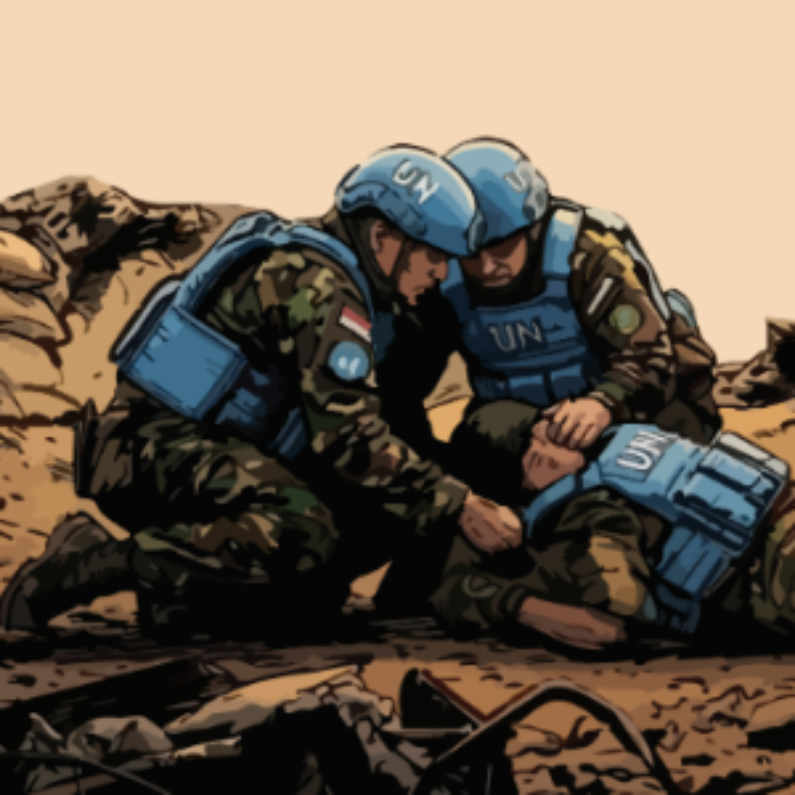
While the Treaty of Amity and Cooperation remains a global gold standard for diplomacy, ASEAN must bridge the gap between its aspirational principles and the political will required to actually use them.
 The Treaty of Amity and Cooperation in Southeast Asia (TAC) is now 50 years old. Since its adoption at the first ASEAN Summit in Bali on Feb. 24, 1976, the TAC has stood as a foundational pillar of peace and stability within the region. It is widely recognized as the most important regional code of conduct for maintaining harmonious relations among its diverse member states.
Its core principles, respect for sovereignty and territorial integrity, non-interference in internal affairs, the renunciation of the threat or use of force and the peaceful settlement of all disputes, are legally binding on all signatories.
The treaty’s significance is further underscored by the growing number of non-ASEAN countries acceding to its principles; there are now 58 high contracting parties, signifying global recognition of its role in fostering trust. Today, all countries wishing to become dialogue partners of ASEAN must accede to the TAC, which embodies the aspirations for a prosperous and secure Southeast Asia, free from both intra-regional conflicts and external interventions in the region.
For decades, the TAC has served as an effective framework, guiding interactions and preventing potential conflicts from escalating into full-blown crises. Its success in promoting a culture of dialogue and consultation has been instrumental in creating an environment conducive to economic growth and regional integration. These inherent principles have fostered a sense of community and shared responsibility, encouraging nations to address differences through diplomatic channels rather than confrontational approaches.
However, a critical analysis reveals that the TAC's historical efficacy has primarily stemmed from the voluntary restraint and political will exercised by ASEAN member states. It is this unspoken commitment to uphold the spirit of the treaty, even more than its explicit mechanisms, that has largely contributed to its enduring success. Members have often chosen to de-escalate tensions and seek amicable solutions, implicitly relying on the moral authority and collective interest embodied by the TAC.
Although the treaty contains provisions for conflict mediation through the invocation of a high council—comprising ministerial-level officials—in practice, the High Council has never been called upon to mediate directly in disputes. Member states have, for the most part, preferred to settle their disputes through bilateral negotiations or by taking their cases to the International Court of Justice (ICJ).
Examples include the disputes between Malaysia and Singapore over Pedra Branca and between Indonesia and Malaysia over Sipadan and Ligitan. Nevertheless, the existence of the TAC provided a conducive climate for these parties to commit to peaceful settlements in the first place and, crucially, to accept the rulings of the ICJ, even by the losing sides.
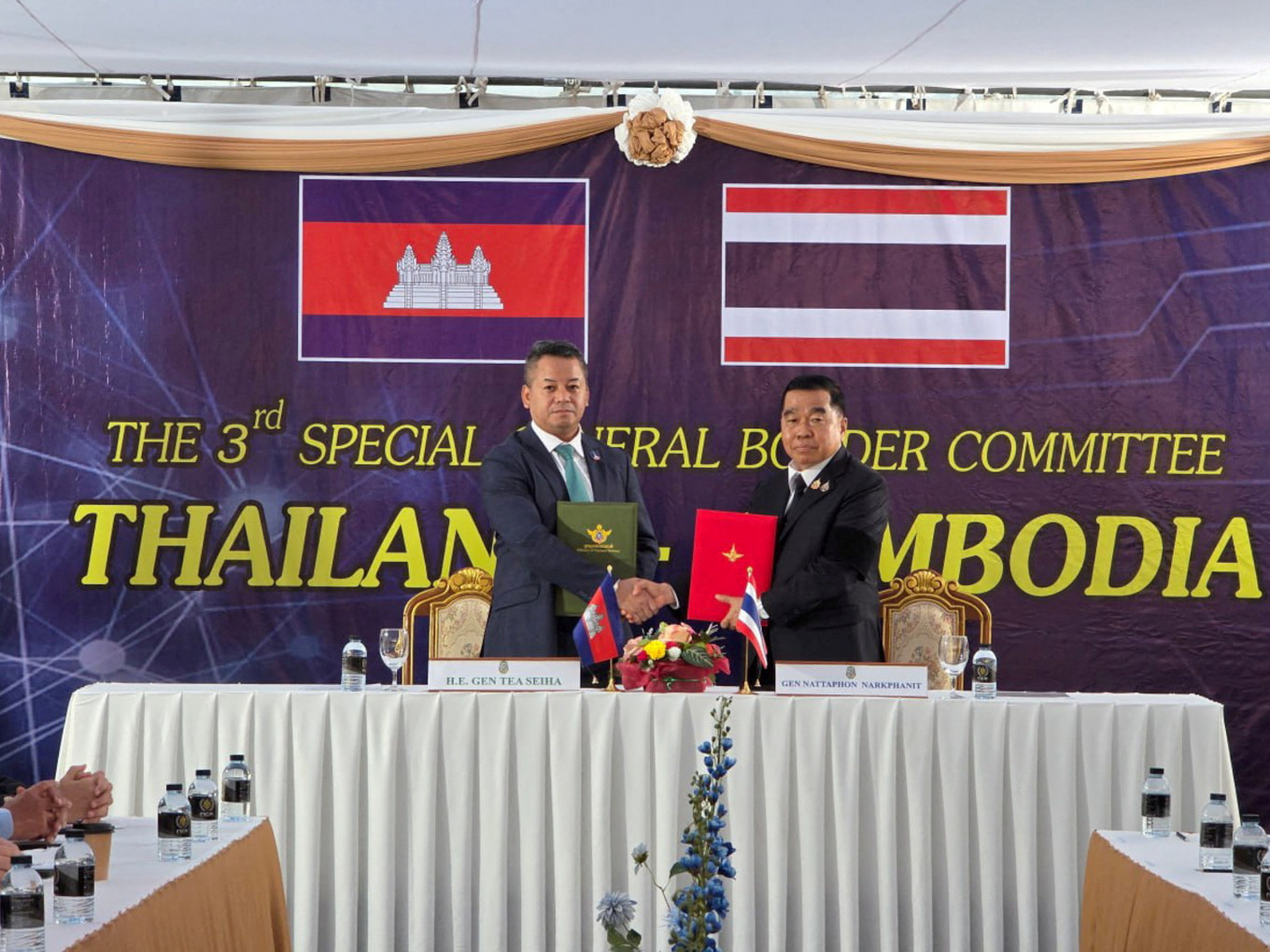
However, this reliance on voluntary restraint exposes a potential vulnerability. The treaty's strength was severely tested when it failed to prevent the border conflict between Cambodia and Thailand (2008–2011 and more recently in 2025). The incidents brought into sharp focus the gap between the treaty’s aspirational goals and its practical application.
The open conflicts, which led to many deaths and displaced people on both sides, highlighted a critical issue: the underutilization of the TAC's established dispute settlement mechanisms. Specifically, the High Council, designed precisely for such situations, was never invoked. This failure to empower the very body created to address inter-state disputes calls into question the operational robustness of the treaty.
Such instances of bypassing the TAC's formal mechanisms carry significant implications for ASEAN's credibility. When member states ignore established protocols for conflict resolution, it risks undermining the cooperative security architecture built over decades. This can lead to a perception that the treaty is more symbolic than substantive when faced with difficult realities.
The paradox lies in the fact that while many external nations actively seek to accede to the TAC, its core members sometimes falter in fully leveraging its internal mechanisms. This dissonance suggests a need for deeper introspection within ASEAN on how to bridge the gap between adherence to principles and the practical implementation of tools.
Therefore, there is an urgent need to reinvigorate the Treaty of Amity and Cooperation. This is not merely about reaffirming its principles, but about ensuring that its provisions are actively utilized. The continued relevance of the TAC hinges on ASEAN members demonstrating a renewed and unwavering commitment to its operationalization, especially when conflicts arise. Central to this effort is the imperative to ensure the High Council transitions from a theoretical construct to a readily accessible and empowered forum.
The increase in global and regional conflicts in recent years, the latest being the ongoing war in the Middle East, demonstrates that peace and stability should never be taken for granted. While the TAC’s historical success has been a testament to voluntary restraint, recent events underscore the need to bolster its institutional mechanisms.
ASEAN must ensure that the treaty remains an indispensable instrument for regional peace and that all member states fully adhere to the principles of the pacific settlement of disputes.
***
By Dewi Fortuna Anwar
Article published in The Jakarta Post on March 5, 2026.